Bangladesh
Moving to the next chapter in the manufacturing sector
Syed Nasim Manzur, Managing Director at Apex Footwear Limited, shares how Bangladesh is turning manufacturing strength into global competitiveness.
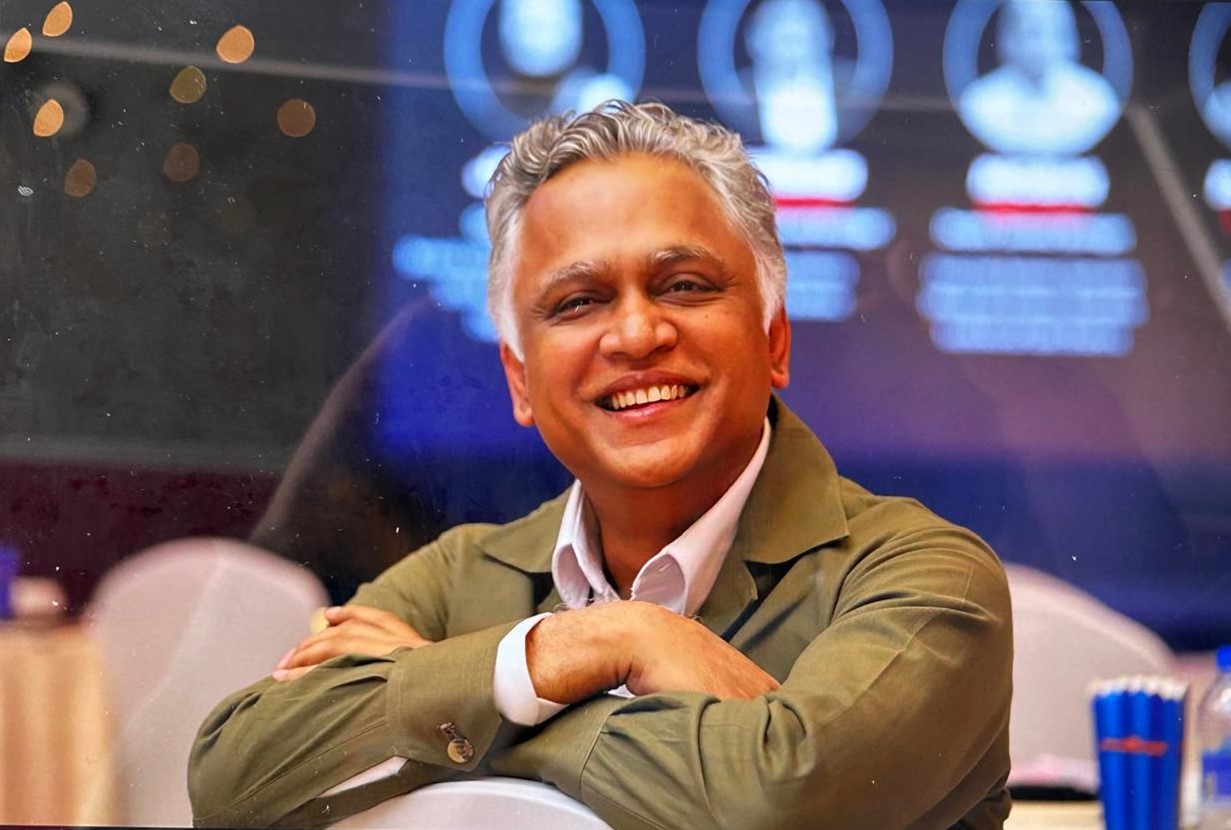 Syed Nasim Manzur, Managing Director at Apex Footwear
Limited
Could you tell us about your journey in the manufacturing industry?
Building on the strengths of Bangladesh's economy, we have developed a range of businesses employing about 17,000 people, ranging from the manufacturing sector to advertising, banking and even insurance.
What is Bangladesh's major advantage?
Our major advantage is our people. Bangladesh is home to 180 million people but often we forget how young this population is. This has been a tremendous source of strength, not only for building strength in the manufacturing sector but also for generating demand within the country. It has also created domestic import substitution opportunities.
What turned that potential into real export growth?
Market access has been crucial. Duty-free, quota-free (DFQF) market access to China, the European Union, Japan and the Republic of Korea has helped strengthen Bangladesh's position as a competitive, export-driven economy. It has also strengthened domestic consumption. The transformation we have seen over the past 25 to 40 years has been remarkable.
How did your journey start?
It all started with raw materials, technology and ambition. From 1976 to 1990, the business grew by using Bangladesh’s leather resources, combining them with technology and know-how from countries such as Italy. The company began by producing leather and intermediate products for global use.
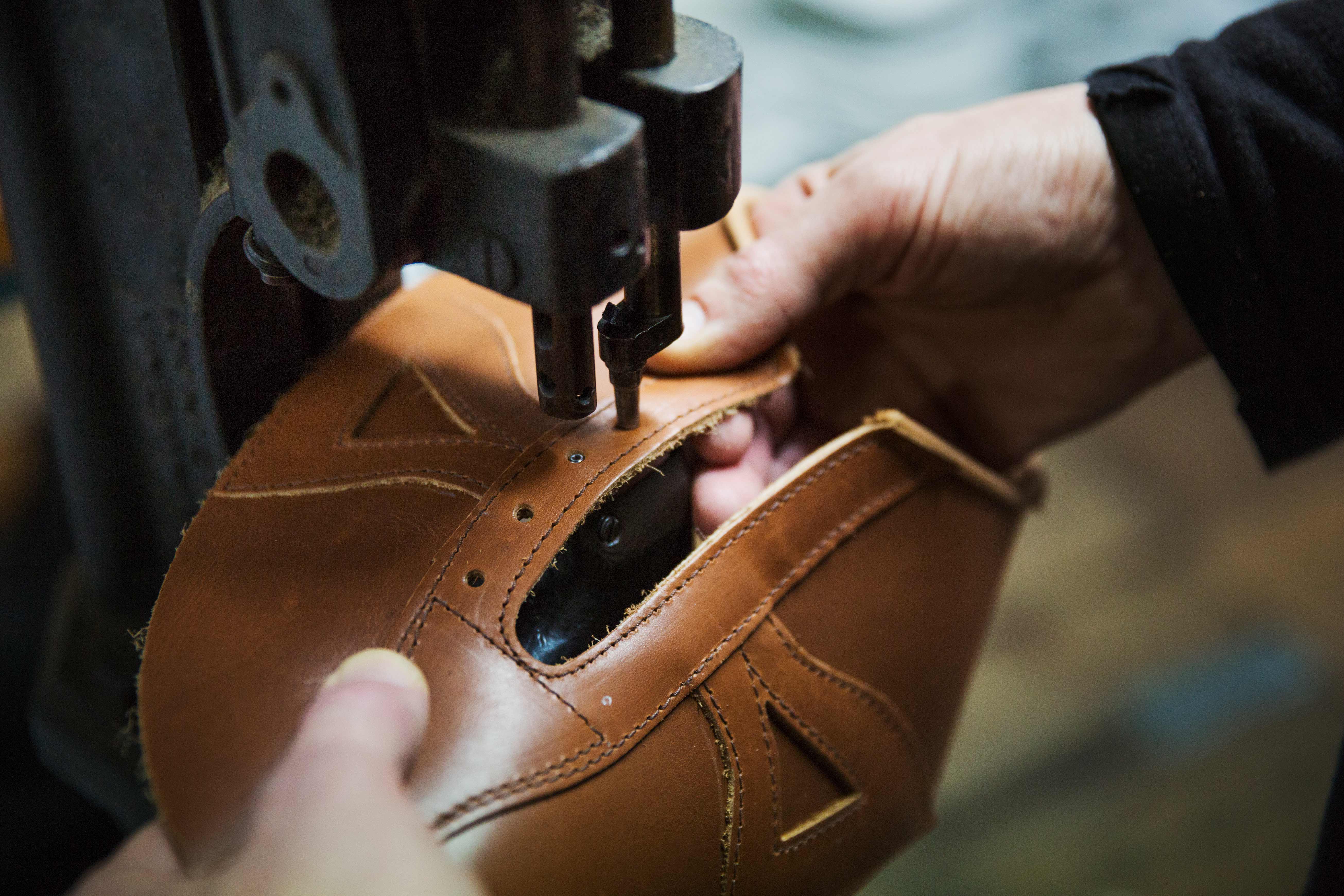
Then came the first big shift: from leather to shoes. By 1991, Apex had moved up the value chain, turning raw material into finished footwear and exporting it to Japan. The DFQF market access was a real “foot in the door” opportunity.
What changed in the 2000s?
With the European Union’s "Everything But Arms" initiative - which grants least developed countries (LDCs) DFQF access to the EU market for all products, with the exception of arms and munitions - Apex made the most of market access to strengthen exports, integrated vertically to control multiple stages of our supply chain and became more competitive.
What was the next major step?
Between 2014 and 2021, Apex made a strategic shift. Instead of relying mainly on European and Italian design models, it built stronger design and sampling capabilities in Chinese Taipei. That changed the business model.
The company moved from simply manufacturing products designed by others to becoming an original design manufacturer — creating design, intellectual property and higher-value products.
Why does design matter so much?
Design is where the value is. I cannot emphasize enough how important this is and how much more support and partnerships we need to be able to strengthen our move from making products to actually designing them and creating intellectual property that can take us up the global value chain.
Where does sustainability fit into the story?
For Apex, sustainability is more than just using LED lights and rainwater harvesting. You can actually turn sustainability into a core strength, whether it is compliance with global standards, using a sustainability report to bring more transparency in your value chain, or ensuring that human rights and labour rights are in line with global best practices. So, it has become a fundamental part of our strategy.
What markets has this strategy opened?
It has allowed us to create a truly global footprint. Apex’s export mix shows the reach of the business: Europe remains dominant, North America is significant, and Asia is rising fast. South-South growth is becoming a real opportunity.
Has Apex's growth also had an impact domestically?
Absolutely. With around 180 million people, Bangladesh is a major consumer market. Apex has used that domestic demand to build its own brands and bring international brands into Bangladesh. So, Bangladesh is not just a place to manufacture. It is a place to sell, scale up, brand, distribute and invest.
How is Apex preparing for the future?
Low labour costs were once one of Bangladesh's main advantages. At the same time, we know that this is no longer enough.
We are investing in automation and lean production processes. We are following the Kaizen approach of continuous improvement to focus on efficiency, which is going to be a driver of future competitiveness.
Supply chain localization, meaning building supply networks locally, has become a reality. We know that we can no longer be dependent on global value chains. So, we need to find a way to bring that value chain to Bangladesh in a way that brings investment and much-needed jobs for our country.
What is the national manufacturing story?
Bangladesh’s growth has evolved through phases.
First, it was driven by raw materials and domestic
advantages.
Then it was propelled by policy support,
including sector-specific incentives. Next, it was driven
by a licensing regime. Now, the new phase is being driven
by domestic consumption and self-financing. There are also
sector-specific incentives.
But there is one major gap: foreign direct investment remains low. That is both a weakness and an opportunity.
What has Bangladesh achieved so far?
Bangladesh is now the second-largest apparel producer in the world. Its manufacturing sector has created jobs, exports, purchasing power and multiplier effects across banking, insurance, logistics, transport, retail and services.
What comes next?
The next stage is harder. Labour cost alone is no longer enough to thrive. Logistics and speed to market now matter just as much. In Bangladesh, logistics costs can reach 12% to 16% of total costs, which weakens competitiveness. This is an area where we need further support.
Bangladesh is preparing to graduate from least developed country (LDC) status. What does the business community feel about this transition?
Graduation is a sign of progress, and we should be proud of it. At the same time, it comes with some challenges. Following graduation, Bangladesh risks losing duty-free, quota-free access to several key export markets. Stricter rules of origin requirements for our exports may also impact our textile sector. We want to make sure that we are preparing ourselves for this.
Bangladesh has formally requested a three-year extension of the LDC graduation timeline. The aim is to use that period to prepare a clear and coordinated roadmap, bringing together the government and the private sector, for a sustainable transition. We want to make sure that when graduation takes place, we are fully prepared, and that we do not lose the advances we have worked hard to achieve.