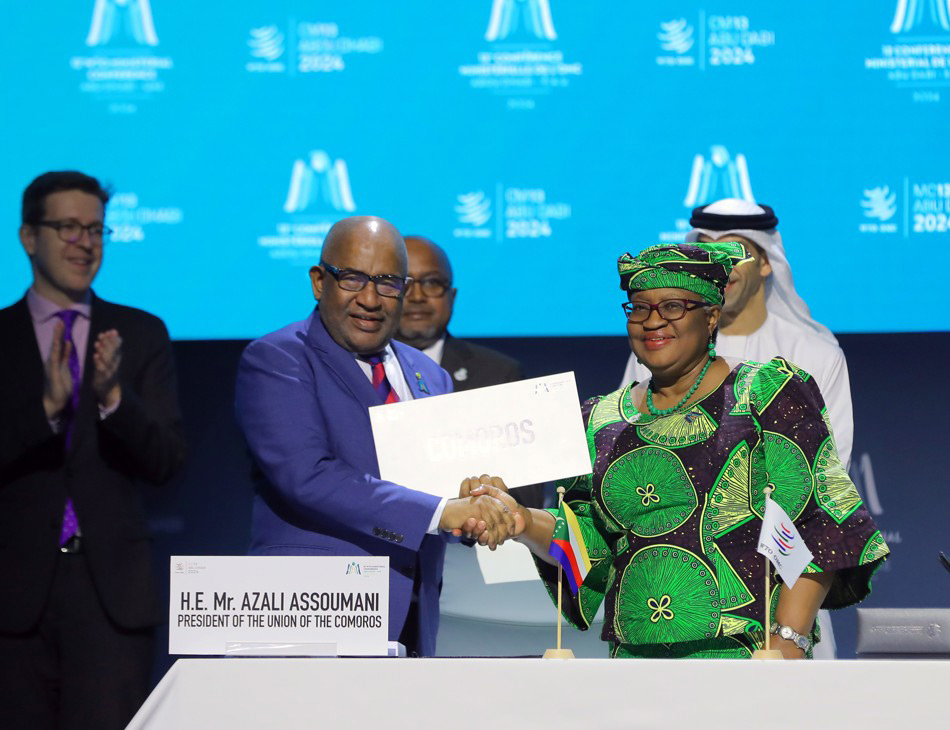
Comoros
Navigating the path from accession to integration
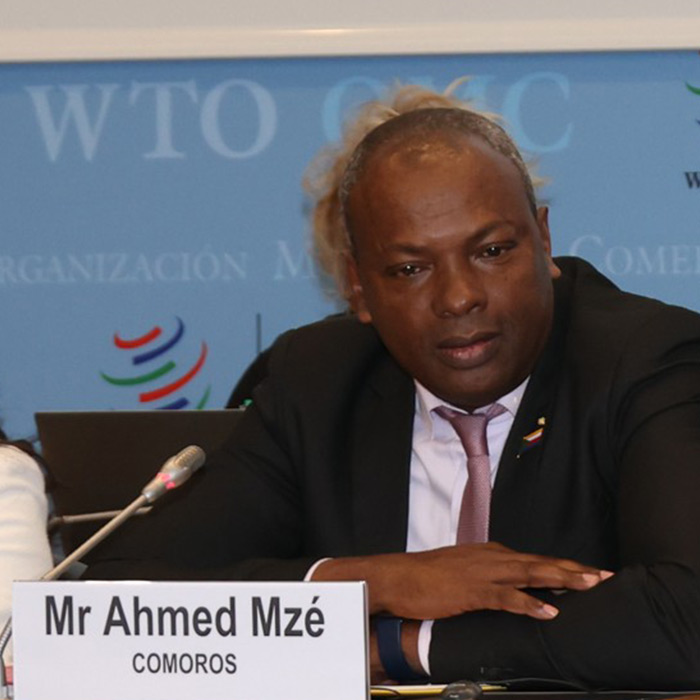
Mr Ahmed Mzé is an Economic Advisor at the Permanent Mission of the Union of Comoros. He shares his experiences and reflections on the country's journey to WTO membership in 2024 and its post-accession work.
What are the key steps Comoros took before and after its accession?
Accession was not just a negotiation process – it was a national journey.
Our first task was awareness-raising. We needed every ministry, agency and stakeholder to understand what WTO membership would mean. With support from the WTO Secretariat, we organized workshops that demystified the process and helped everyone see the practical implications.
We also went on study visits to Cabo Verde and Liberia, two countries that joined the organization in recent years. Those trips were incredibly useful. Seeing how they handled the post-accession process gave us a much clearer picture of what awaited us.
And then there is the technical side. Notifications became our daily bread and butter. By March 2025, we had submitted notifications on trade facilitation, import licensing and customs valuation. And we are aiming to complete all mandatory notifications by the end of 2026.
What have been the biggest difficulties for Comoros since joining the WTO?
Simply handling everything that comes after accession has been one of the biggest challenges.
For example, we are required to notify all our laws and regulations. We need more trained officers who understand the requirements and can prepare the notifications properly.
Participating effectively in WTO discussions is another hurdle. When you are new, it is not obvious how the different WTO bodies work, what is expected of you, or how to intervene. There are not really any guidelines for newly acceded LDCs, so you learn by doing – and that can be overwhelming at first.
Based on your experience, what advice would you give to other LDCs preparing for accession?
Prepare your post-accession strategy early. Joining the WTO is not an end point – it is the beginning. You need to know which sectors require support, where the capacity gaps are, and what your priorities will be once you join.
Another important point is building the necessary technical expertise early on. Do not wait until after accession to train your officials. Once you become a member, the obligations come quickly, so you really need people who understand the system.
What kind of support would be helpful for recently acceded LDCs like Comoros?
I think three things would make a big difference.
First, it would help to have a dedicated support mechanism for newly acceded LDCs. While the WTO's Accessions Division has been very helpful, a structured, tailored system for providing post-accession guidance would make a huge difference.
Second, we need help with mobilizing partners and funding. We know our priorities. At the same time, identifying who to approach for technical or financial support is not always straightforward.
And third, partnerships are essential. We are very grateful to the Enhanced Integrated Framework and the United Kingdom for supporting us throughout the accession process, and to the Trade Facilitation Agreement Facility for helping us with our trade facilitation notifications. For a small LDC like Comoros, cooperation is not just helpful – it is essential.